A Comprehensive Guide to Buying a Fridge: Tips and Considerations
Acquiring a refrigerator is a considerable decision for any home. The best fridge not just keeps your food fresh however likewise boosts the visual appeal of your cooking area. With a wide range of options readily available in the market, potential purchasers face the obstacle of discovering a refrigerator that suits their requirements and fits their budget. This article supplies important insights into the necessary elements to consider when purchasing a fridge, categorizes the different types available, and answers some often asked questions.
Types of Refrigerators
Before diving into the purchasing procedure, it's vital to understand the various types of fridges available. Each type serves an unique purpose and features its own set of functions. Here's a quick summary:
| Type | Description | Ideal For |
|---|---|---|
| Leading Freezer | A standard design with the freezer compartment on top. | Budget-conscious consumers. |
| Bottom Freezer | Refrigerator above, freezer at the bottom. | Those who regularly access fresh food. |
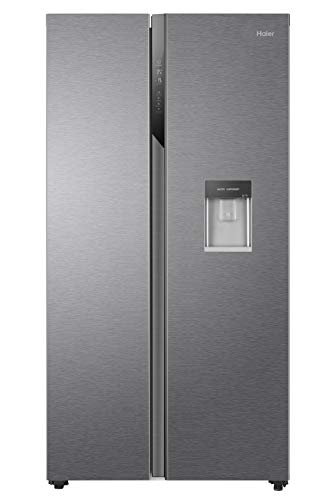
| Side-by-Side | 2 vertical sections, one for the fridge, one for the freezer. | Big families with diverse storage requirements. |
| French Door | Different compartments for fridge and freezer with large doors. | Elegant kitchens and avid cooks. |
| Compact | Smaller sized and portable, ideal for minimal areas. | Dorms or studio apartments. |
| Smart Fridges | Geared up with Wi-Fi and touch screens for advanced functions. | Tech-savvy users looking for benefit. |
Comprehending these different types can assist buyers identify what suits their lifestyle and cooking area layout best.
Key Considerations When Buying a Fridge
1. Size and Space
The size of the refrigerator is among the critical elements to think about. Step the readily available area in your kitchen where the fridge will live. Keep in mind:
- Depth, Width, and Height: Ensure that the fridge complements your kitchen area's general design.
- Door Swing: Check that the door can open easily without blockage.
- Capability Needs: Consider how much food you usually store and select a fridge with a proper cubic foot capacity.
2. Energy Efficiency
When purchasing a brand-new fridge, search for energy-efficient designs. Online Fridge Sales -rated fridges consume less electrical energy, which can substantially lower energy costs. Aspects to assess consist of:
- Energy Guide Label: This supplies an estimate of the yearly energy usage.
- Inverter Technology: Helps maintain temperature while consuming less power.
3. Features and Technology
Refrigerators include a myriad of functions and technological advancements. Choosing the best mix can considerably improve convenience:
- Temperature Control: Look for designs that use accurate temperature settings for various compartments.
- Smart Technology: Wi-Fi connectivity can use alerts, dish tips, and stock checks.
- Ice and Water Dispenser: Consider whether you desire an in-door water and ice dispenser to save space and improve availability.
4. Design and Design
The visual appeal of your refrigerator can match the overall cooking area design. Consider the following designs:
- Finish Choices: Stainless steel, matte black, and traditional white are popular surfaces.
- Handle Design: Choose a manage style that matches your kitchen's design and is easy to open.
5. Rate and Brand Reliability
While there are lots of budget plan options readily available, investing in a reliable brand name frequently translates to dependability and sturdiness. Think about the following:
- Warranty: A strong warranty can protect versus defects and failures.
- Consumer Reviews: Research user feedback to determine performance and service quality.
Buying Tips
- Research study: Spend time reading reviews and contrasts before deciding.
- Sales and Promotions: Look out for sales during vacations or unique occasions to improve deals.
- In-store Experience: Visit regional appliance shops to see the models in individual and ask concerns to knowledgeable personnel.
FAQs about Buying a Fridge
1. How long can I expect my refrigerator to last?
Usually, a refrigerator lasts between 10 to 20 years, depending upon the brand and maintenance. Routine maintenance can extend its lifespan.
2. What should I do if my refrigerator isn't cooling sufficiently?
Start by checking the temperature level settings, make sure the door seals are undamaged, and keep the coils tidy. If concerns continue, speak with a professional service technician.
3. Are clever fridges worth the investment?
Smart fridges can be advantageous for tech-savvy users and those who value convenience. Functions like inventory management and remote gain access to can save time and decrease food waste.
4. How do I properly preserve my refrigerator?
- Tidy the interior frequently to eliminate spills and smells.
- Defrost if you come across frost accumulation.
- Examine the door seals to ensure they are clean and practical.
5. What is the best refrigerator brand?
There is no one-size-fits-all response. Nevertheless, brands like Whirlpool, Samsung, LG, and Frigidaire are often rated highly for quality and customer care.
Ultimately, buying a refrigerator includes a lot more than simply choosing a random model off the rack. By making the effort to evaluate your needs, evaluating type options, understanding crucial functions, and considering design visual appeals, you can make a notified decision that will serve your household well for several years to come. With the ideal choice, your refrigerator will be a reliable companion in your daily cooking area operations.